

One of LEGO’s core values from their website is “By celebrating differences, through our culture of authenticity, inclusion and energizing play, we create a unique sense of belonging.” Part of these differences and authenticity would naturally be to represent families how we see them in the real world day to day. This could mean a multitude of things. Families all over the world come in different shapes and sizes, breaking through gender norms on a daily basis. With this being a LEGO Promise, we would expect to see families represented in all different types of ways, namely same sex couples and interracial couples. Sadly, this is not the case.
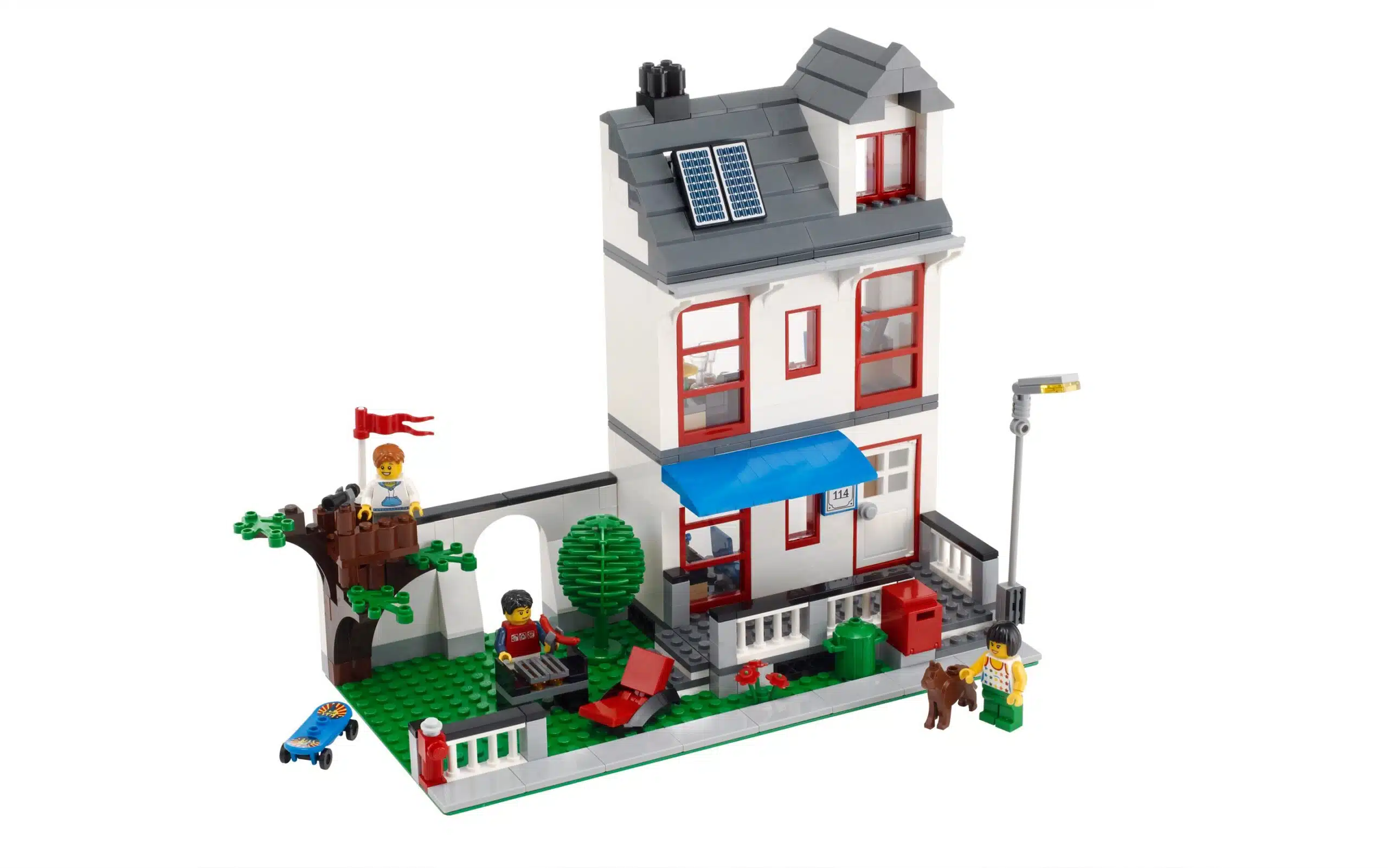
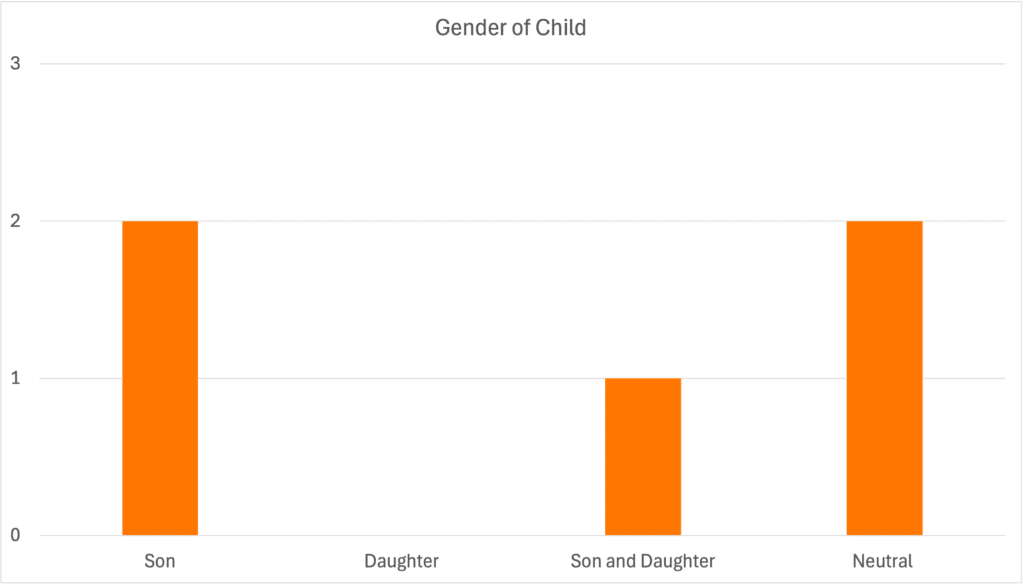
We first looked into LEGO City and the very few representations of a family unit they have. City has a recurring set that originated as 8403 City House in 2010. Every couple of years, LEGO revamps this set with new and improved floorplans. The original set features three minifigures: a mother, father, and son. In 2021 the set was rereleased as 60291 Family House and then again in 2023 with the addition of 60398 Electric Car. All three of these sets feature a mother, father, and son with only the 2021 version featuring a daughter as well. This in itself already perpetuates the idea that LEGO City is for boys and the ideal family unit does not include girls.
The other family sets are the two camper van sets, 60293 Holiday Camper Van and the reboot, 60454 Holiday Adventure Camper Van, in 2025. Both of these sets include a mother, father, and baby. The baby is meant to be neutral so there is no assigned gender. The obvious issue here is the lack of diversity of same sex couples and interracial couples. All of the minifigures are the default yellow flesh tone, however the hairstyles show that they are not meant to be people of color. The underlying issue here is how the male and female minifigures are presented within these sets.
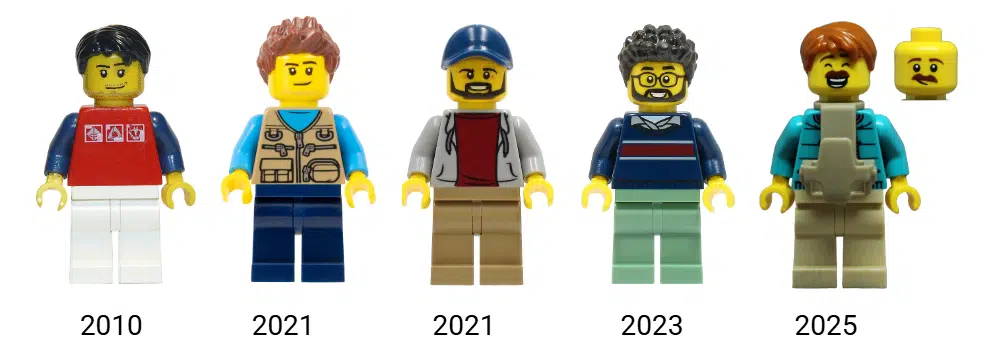
Above show the father minifigure in chronological order for each of the sets. Every single one has facial hair of some sort, creating this hyper masculine standard for what a father must look like. Not only are these sets showing that a family should be a man and a woman, but also showing the stereotypical male/female gender roles within a family. In all three of the house sets, the man is either playing a sport with the son or grilling, while the woman is either just off to the side or tending to the garden. The woman feels like an accessory to the house rather than included in the scene. This narrative that is specifically pointed towards young boys is creating a picture in their minds of what a family should look like, and it is not the image we want to be spreading to today’s youth. Little boys should not be pressured to be hyper masculine and little girls should not be shoved off to the side. Kids today should be shown that family is what you make it, no matter what that looks like.
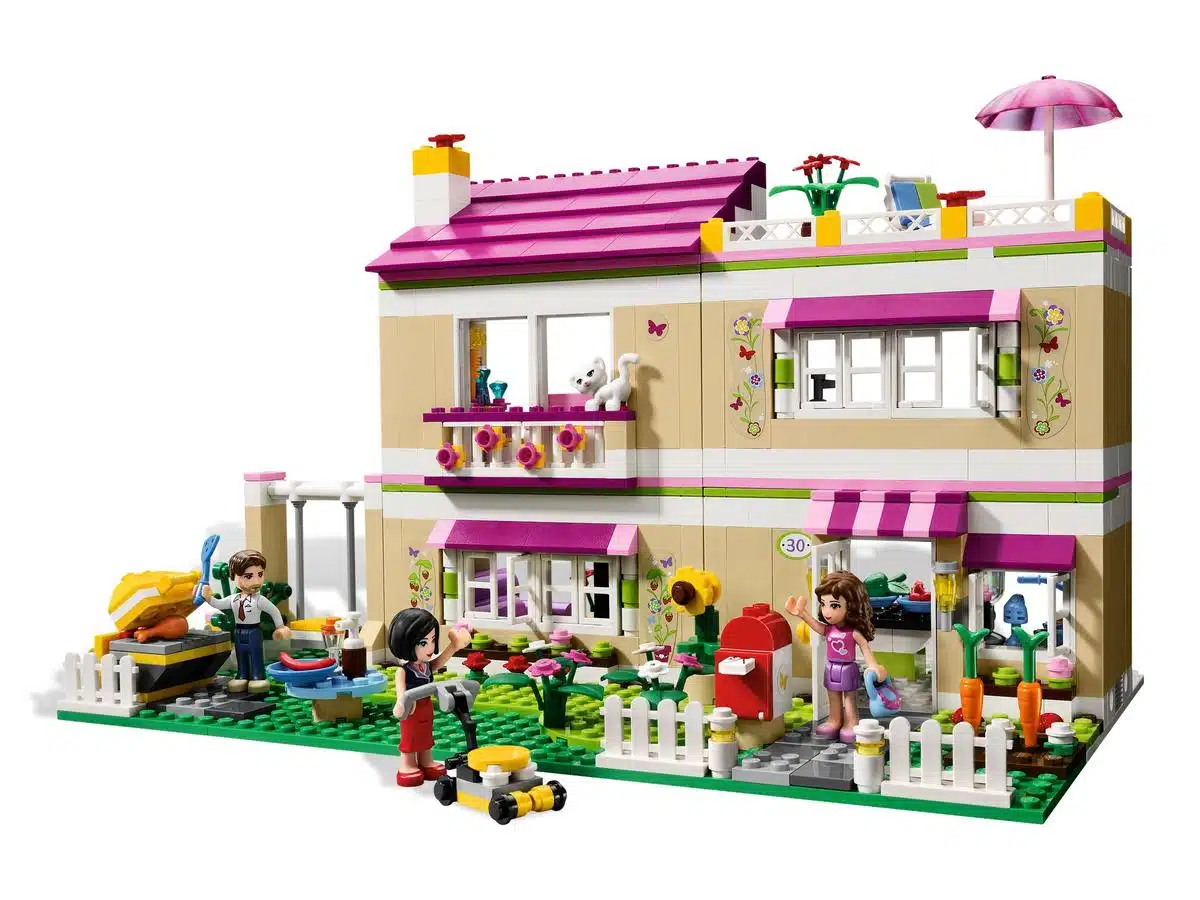
To compare the two themes, we also looked at the family representations within the Friends universe. Friends having actual storylines and named characters makes it a little different from City when comparing, but the storylines help show what LEGO’s true intention was with the family. There is less guessing based on the scene because we are being told who is related and who is not. Of the five original Friends characters (Olivia, Mia, Andrea, Stephanie and Emma) the first set to come out featuring their family was 3315 Olivia’s House in 2012. The set showed Olivia, her father Peter, and her mother Anna. Peter is shown grilling similar to the City sets, however Anna is shown pushing a lawn mower which is a small step in the right direction.
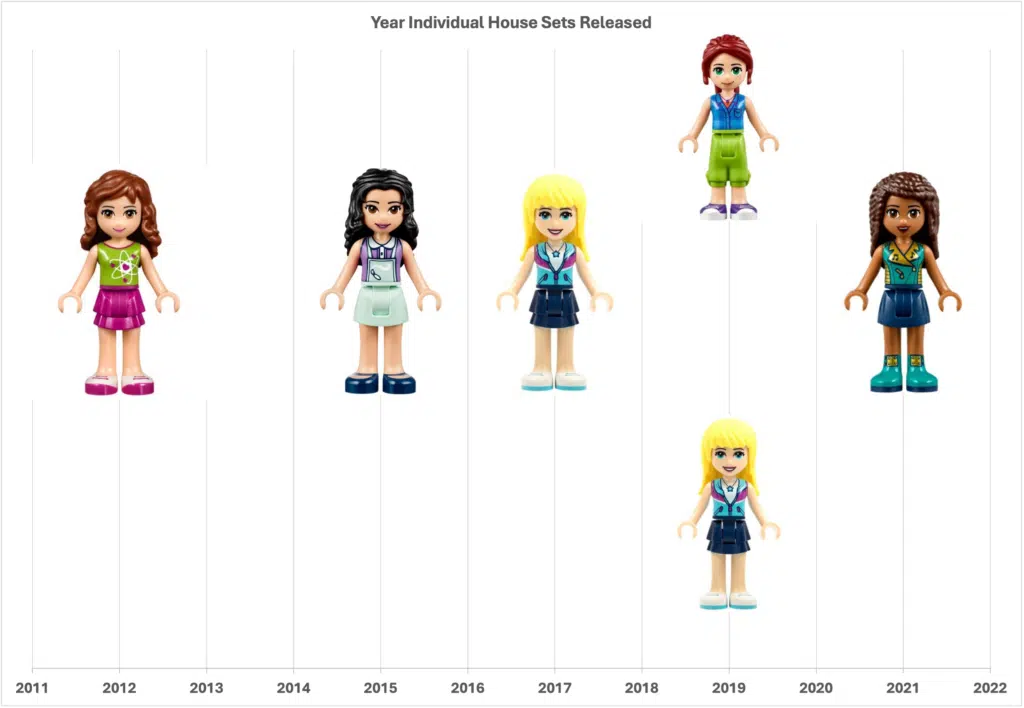
In 2015, 41095 Emma’s House came out with a similar style and her mother Charlotte and father Luis. Both of these families are white flesh toned. Of the original five from 2012-2017, the only person of color was Andrea. She did not get her own set with her house and family until 2021, 41449 Andrea’s Family House. Below is a graph showing the year each character’s individual house was released. Not only did Andrea get her own house last, the white blonde Friend, Stephanie, had two sets released before Andrea had one.
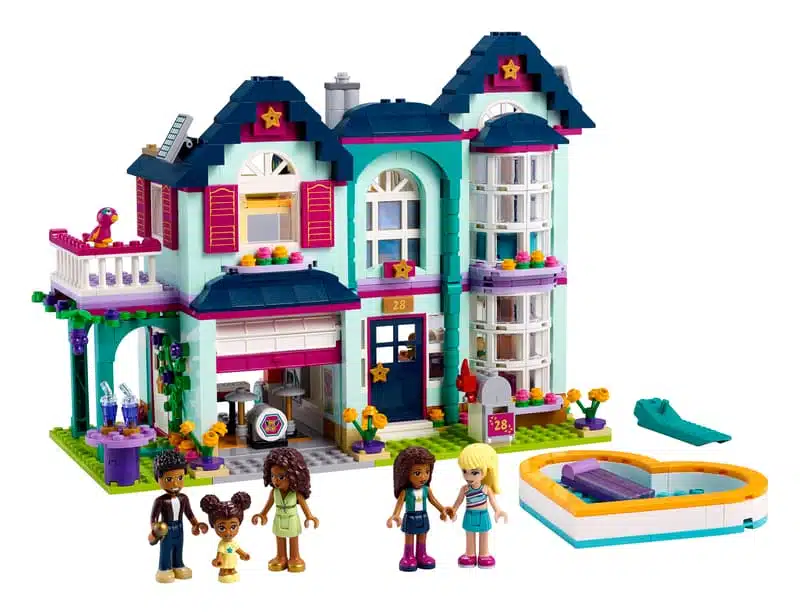
It is also interesting to note that in this set, LEGO included Stephanie who is a white blonde member of the Friends cast. All of the other minifigures in this set are people of color, and every other character’s house set up until that point only included their family members. After this set came out, LEGO started adding other Friends characters to the house sets, not just the family. It is interesting that they chose not to have a set with entirely people of color.
With the reboot of Friends, the different characters have different families. The Next Gen Friends have some more diversity, namely Paisley and her younger sister are raised by their single father since their mother passed away. This is an example of a different family dynamic, but still contributes to the mother father familial narrative. Liann is another character that comes from a one parent household. Her mother is named Michelle and there is no mention of a father figure. Friends overall seems to be more open to diversity with fleshtones and familial diversity. It is interesting that the alternative to City geared towards young girls can be more diverse and inclusive than City geared towards boys.
Throughout the years, Friends has gotten more diverse but between City and Friends there is a ton of room for growth. LEGO has made public statements in support of Pride Month and the LGBTQ+ community, so the next step would be to showcase the community within the sets. It would also be important to not only have these sets a part of a ‘pride month release’. Part of inclusivity is not necessarily making diversity the whole point of the set. The family sets should have different types of families, without having to call specific attention to it. Same sex and interracial couples are a part of daily life, so they should be just as common within the LEGO community.
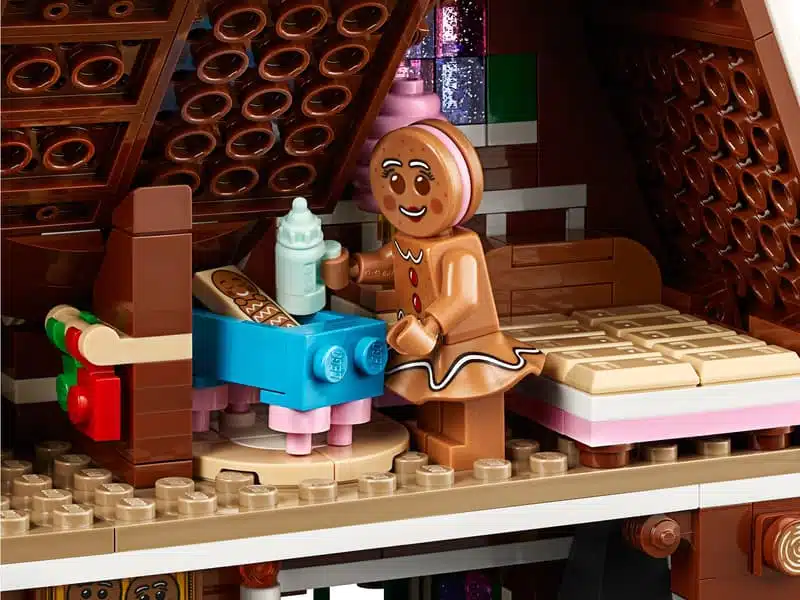
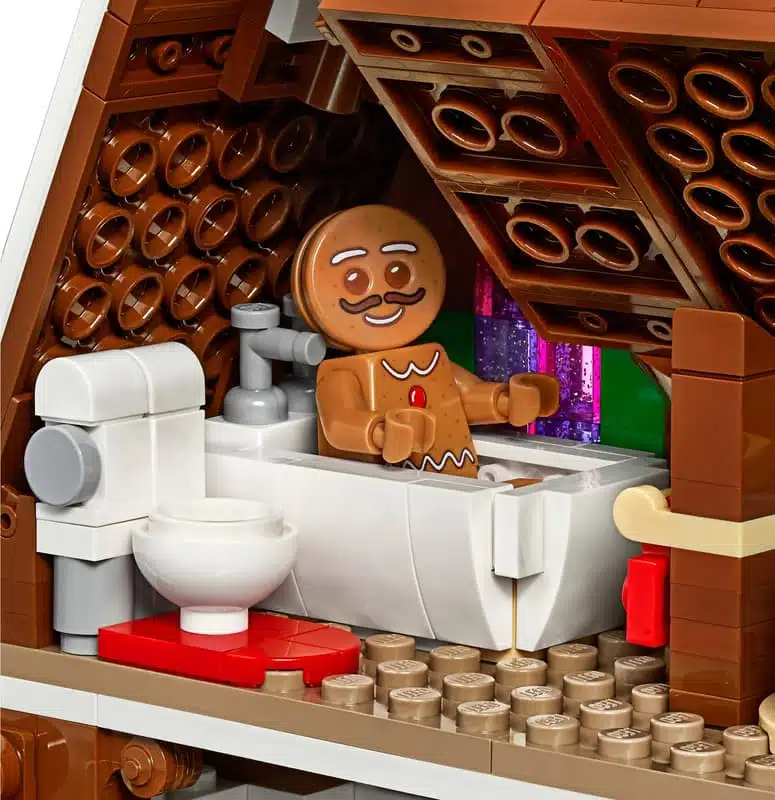
This is an ongoing issue throughout LEGO as a whole, not just City and Friends. This is shown with the Gingerbread House set that shows a mother, father, and baby gingerbread person. In the promotional photos for the set, the father can be seen taking a bath while the mother is seen feeding the baby. These stereotypes are being highlighted throughout the entire LEGO company, making these issues a very important thing to highlight for change.
2 comments
Håkan
In the end, it probably comes down to marketing and money. A set with a clearly coded queer couple wouldn’t be sold in many parts of the world, so it would be a statement that would be highly profit-adverse outside the focal point of the set (the building itself).
At least it’s a thing that could very easily be made by the builders, themselves.
Håkan
For interracial (straight) couples, there are at least a few sets with Cho Chang and Harry Potter or Cedric Diggory, and Peter Parker and Michelle Jones, but they have highly lucrative franchises behind them…